Human Rights and Freedoms in Iraq: A Nation in Crisis, Where Women and Children Are Most at Risk
By the National Council of Iraqi Opposition (NCIO)
Advancing Civic Awareness and Democratic Development in Iraq and Among Iraqi Diaspora Communities
Ottawa, September 7, 2025
Iraq, a country rich in history and culture, stands at a crossroads. While it has a constitution that guarantees fundamental rights and freedoms, the reality on the ground is one of systemic human rights violations, eroded civic space, and growing threats to the most vulnerable — especially women and children.
Despite being a signatory to major international human rights treaties, Iraq continues to fail in protecting the basic rights of its citizens. The rule of law is weak, corruption is rampant, and armed groups operate with impunity, often shielding themselves behind political power. In this environment, women and children bear the heaviest burden.
The Erosion of Human Rights and Freedoms
Since the 2003 invasion and the subsequent political upheavals, Iraq has struggled to build stable, accountable institutions. The 2005 Constitution promised equality, freedom of expression, and the right to peaceful assembly — but these rights are increasingly under attack.
- Freedom of expression is suppressed: Journalists, activists, and artists face threats, arbitrary detention, and even assassination. According to Reporters Without Borders, Iraq ranks 165th out of 180 countries in press freedom.
- Peaceful protest is met with violence: The 2019 Tishreen uprising saw hundreds of peaceful demonstrators killed by live ammunition and tear gas. To this day, many victims remain unavenged.
- Arbitrary detention and enforced disappearances are widespread, particularly in areas under the influence of armed militias.
The state’s failure to protect its citizens has created a climate of fear, where speaking out can cost lives.
Women’s Rights in Grave Danger
Iraqi women have made remarkable strides in education, medicine, and civil society, yet they remain systematically marginalized and endangered.
- Gender-based violence is rampant: Domestic violence, honor killings, and sexual assault are common, but legal protections are weak. Iraq still lacks a comprehensive law against domestic violence.
- Child and forced marriage is widespread: In some regions, up to 24% of girls are married before the age of 18, according to UNICEF. This practice is often justified by poverty, tradition, or religious extremism.
- Women are excluded from political power: Despite a 25% quota for women in parliament, their participation is often symbolic. In local governance and security forces, their presence is minimal.
- Female activists are targeted: Since 2019, over 30 women activists and journalists have been assassinated or disappeared, including prominent figures like Suad al-Ali and Zainab Al-Sayed.
The rise of conservative and militia-backed political forces has led to a rollback of women’s rights, including attacks on women’s dress, movement, and access to public spaces.
Children: A Lost Generation
Iraqi children face a future of instability, trauma, and lost opportunity.
- Education is under threat: Over 3.8 million children are out of school or at risk of dropping out, due to poverty, displacement, or damaged infrastructure.
- Child labor and recruitment are growing: Armed groups continue to recruit children as fighters, messengers, or laborers. The UN has documented cases of child soldiers in militia ranks.
- Psychological trauma is widespread: Years of war, ISIS occupation, and internal conflict have left deep scars on the mental health of Iraqi youth.
- Displacement continues: Over 1.2 million Iraqis remain internally displaced, many of them children living in camps with limited access to healthcare, education, or protection.
The Iraqi state has failed to provide the basic safety net that children need to survive and thrive.
The Role of Militias and Foreign Interference
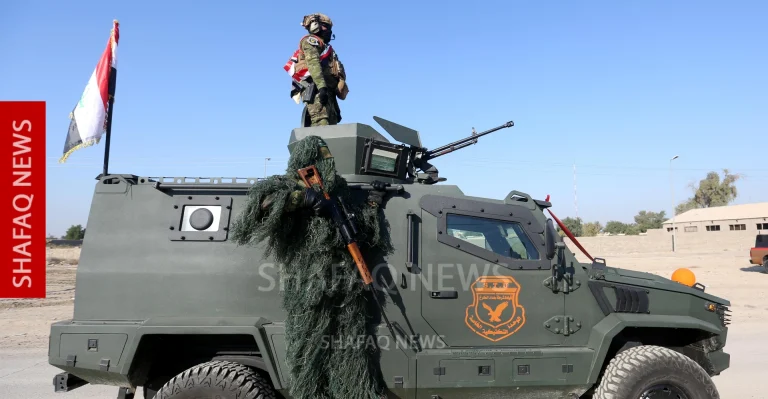
A major obstacle to human rights in Iraq is the growing power of armed militias, many of which operate outside state control and are backed by foreign actors. These groups:
- Impose their own moral codes on communities.
- Intimidate women’s rights defenders and secular activists.
- Control access to jobs, services, and political power.
This de facto governance undermines the authority of the state and violates the principle of equal citizenship enshrined in the Iraqi Constitution.
The NCIO’s Call to Action
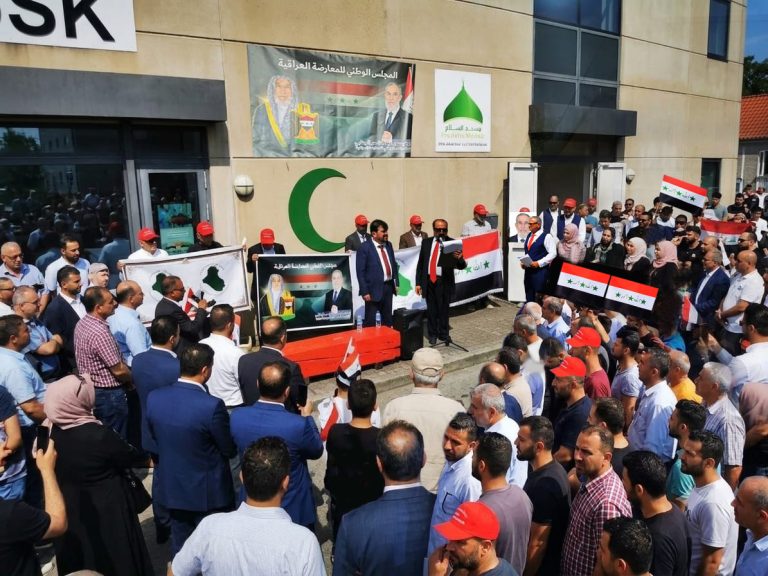
The National Council of Iraqi Opposition (NCIO), as a Canadian-registered civil society organization, stands in solidarity with all Iraqis demanding dignity, justice, and freedom. We call upon the international community to:
- Sanction individuals and groups responsible for human rights abuses, including those involved in the killing of activists and suppression of free speech.
- Support Iraqi civil society, especially women-led organizations and youth movements.
- Fund education and protection programs for displaced children and at-risk women.
- Demand accountability from the Iraqi government and its international partners.
- Recognize the NCIO as a legitimate voice of the Iraqi diaspora in Canada.
We believe that true democracy in Iraq cannot exist without the full and equal participation of women and the protection of children’s rights.
A Vision for the Future
We envision an Iraq where:
- A woman can walk in the street without fear.
- A child can go to school without being recruited.
- An activist can speak without being silenced.
- The rule of law protects the weak, not the powerful.
This future is possible — but only if we act now.
The Iraqi people are not asking for charity. They are asking for justice, accountability, and the right to shape their own destiny.
The world must listen.