🏛️ Accountability & Justice in Iraq — 2025
Introduction
Iraq, emerging from decades of dictatorship, war, foreign occupation, sectarian violence, and institutional collapse, continues to struggle with establishing robust systems of accountability and justice. While the 2005 Constitution enshrines rule of law and human rights, in practice, justice remains uneven, politicized, and often inaccessible — especially for ordinary citizens, victims of conflict, and marginalized groups.
I. The State of Accountability
1. Political Accountability — Weak and Fragmented
- Iraq’s political system is a power-sharing arrangement among ethno-sectarian blocs (Shia, Sunni, Kurd), which often prioritizes patronage over performance.
- Corruption remains systemic. Iraq consistently ranks among the most corrupt countries globally (Transparency International: 157th out of 180 in 2023).
- The Commission of Integrity (CoI) and the Supreme Anti-Corruption Council exist but face political interference, lack of enforcement power, and threats to investigators.
- High-profile figures — including ministers, MPs, and militia-linked officials — operate with de facto immunity.
🔍 Example: In 2024, former Prime Minister Nouri al-Maliki and other senior officials were accused of embezzling billions from state contracts — but no indictments followed.
2. Security Sector Accountability — Militias Above the Law
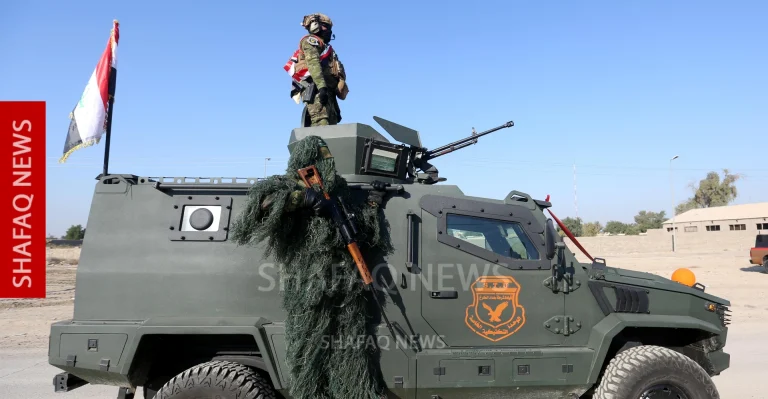
- The Popular Mobilization Forces (PMF) — officially part of the Iraqi military but often loyal to Iran or political parties — commit abuses with near-total impunity.
- Extrajudicial killings, enforced disappearances,
🏛️ Accountability & Justice in Iraq — 2025
I. Historical Context: Foundations of the Crisis
Iraq’s justice system and culture of accountability were systematically dismantled under Saddam Hussein’s authoritarian regime (1979–2003), where courts served the Ba’ath Party, dissent was crushed, and institutions existed to enforce loyalty, not rule of law.
The 2003 U.S.-led invasion and subsequent occupation dissolved state institutions (notably via CPA Order No. 1 — de-Ba’athification), creating a vacuum filled by militias, sectarian actors, and corrupt political elites. The failure to establish impartial transitional justice mechanisms — such as truth commissions or vetting processes — allowed perpetrators of past and present crimes to infiltrate new state structures.
II. Current State of Justice Institutions
1. Judicial System
- Formal Structure: Iraq has a civil law system with courts at multiple levels: Personal Status, Criminal, Civil, Federal Supreme Court, Central Criminal Court of Iraq (CCCI), and specialized courts (e.g., anti-terrorism, integrity).
- Challenges:
- Politicization: Judges often face pressure from political parties, militias, or tribal leaders.
- Corruption: Bribery, case-fixing, and lack of transparency plague lower courts especially.
- Backlogs & Inefficiency: Thousands of cases languish for years; access to legal representation is limited for the poor.
- Security Threats: Judges and prosecutors handling corruption or terrorism cases are frequently threatened or assassinated.
💡 Example: In 2023, Judge Zeyad al-Battat, known for prosecuting militia leaders, was shot dead in Baghdad — highlighting the lethal risks of pursuing accountability.
2. The High Judicial Council (HJC)
- Oversees judicial appointments and administration.
- Criticized for lack of independence — members are often aligned with political blocs.
- Reform attempts (e.g., 2022 Judicial Reform Draft Law) stalled due to parliamentary gridlock and elite resistance.
III. Accountability Mechanisms — What Exists?
1. Commission of Integrity (CoI)
- Iraq’s main anti-corruption body, established in 2004.
- Has investigative and prosecutorial powers.
- Achievements: Convicted hundreds of mid-level officials; froze assets; exposed major scandals (e.g., fake medicine imports, oil smuggling).
- Limitations:
- Cannot touch “protected” elites — ministers, senior MPs, militia-linked figures.
- Lacks enforcement power without cooperation from courts or security forces.
- Subject to political interference and budget cuts.
📉 In 2024, CoI reported recovering $1.2 billion in stolen funds — but less than 10% came from top-tier officials.
2. Supreme Anti-Corruption Committee (SACC)
- Formed in 2019 under PM Mustafa al-Kadhimi to fast-track high-profile cases.
- Initially showed promise — arrested several powerful figures.
- Faded by 2023 due to political pressure, lack of legal grounding, and replacement of key members.
3. Parliamentary Integrity Committee
- Investigates corruption allegations against MPs and ministers.
- Largely symbolic — rarely leads to prosecution due to parliamentary immunity and internal protection.
IV. Transitional Justice & Human Rights
1. ISIS Crimes & Mass Atrocities
- Thousands of ISIS suspects (including foreign fighters) remain in detention — many without trial.
- Trials often rely on confessions (sometimes coerced) and lack due process.
- Yazidi, Christian, and Shia victims continue to demand justice for genocide, sexual slavery, and mass killings (2014–2017).
🌍 UN Investigative Team (UNITAD) collected evidence for international prosecutions, but Iraq lacks domestic legal framework to prosecute genocide or crimes against humanity. No hybrid tribunal has been established despite years of advocacy.
2. Protesters’ Demands & State Violence
- The 2019–2020 Tishreen Uprising saw over 600 protesters killed, thousands injured — mostly by state-backed militias and security forces.
- Almost no accountability: Only low-ranking officers prosecuted; commanders and political sponsors untouched.
- Families of victims continue weekly vigils and legal battles — met with intimidation and legal obstruction.
✊ “We don’t want compensation — we want the killers in court.” — Mother of a slain protester, Baghdad, 2024.
V. Militias, Impunity, and Parallel Justice
- Popular Mobilization Forces (PMF) — now state-funded but often operate outside state control — commit abuses with near-total impunity.
- Kataib Hezbollah, AAH, Badr, and others control territory, run prisons, and intimidate judges.
- “Field justice” — extrajudicial killings, forced disappearances — remains common in areas under militia influence.
⚖️ In 2024, the UN Assistance Mission for Iraq (UNAMI) reported “widespread impunity for human rights violations by state and non-state actors.”
VI. Civil Society & International Efforts
1. Iraqi Human Rights Organizations
- Groups like Mesa, Hammurabi, IHEC Watch, and Al-Amal document abuses, support victims, and lobby for reform.
- Operate under constant threat — activists harassed, jailed, or killed.
2. International Actors
- UNAMI & OHCHR: Monitor, report, and advise — but no enforcement power.
- EU & U.S.: Fund judicial training and anti-corruption programs — impact limited without political will.
- ICC? Iraq is not a party to the Rome Statute. Limited jurisdiction over ISIS crimes via nationality of foreign fighters.
VII. Recent Developments (2024–2025)
- New Anti-Corruption Chief Appointed (March 2025) — Dr. Ahmed Taha, former judge, vows “no sacred cows.” Early moves to reopen stalled mega-corruption cases.
- Digital Case Management System rolled out in 5 governorates — aims to reduce delays and increase transparency.
- Public Pressure Mounts after leaked audio of minister negotiating bribe — sparked renewed protests in Basra and Nasiriyah.
- Draft Law for a “Special Tribunal for ISIS Crimes” — debated in Parliament, opposed by Sunni blocs fearing sectarian targeting.
VIII. Obstacles to Real Accountability
| Sectarian Power-Sharing | Positions distributed by sect/ethnicity, not merit — loyalty > competence. |
| Militia Influence | Armed groups control ministries, courts, and streets — deter investigations. |
| Weak Rule of Law Culture | Public often turns to tribal or militia justice due to distrust in state. |
| Lack of Political Will | Ruling elite benefit from corruption — reform threatens their survival. |
| External Interference | Iran, Turkey, Gulf states back different factions — undermine unified justice efforts. |
IX. Paths Forward — What’s Needed?
- Judicial Independence Law — Insulate courts from political/militia pressure.
- Hybrid Tribunal for ISIS Crimes — With international judges to ensure fairness and global standards.
- Asset Recovery & Whistleblower Protection — Empower CoI with real teeth.
- Security Sector Reform — Disarm militias, professionalize police and army.
- Victim-Centered Reparations — Especially for Yazidis, Christians, and Tishreen families.
- Civic Education & Media — Rebuild public trust in justice through transparency and outreach.
✅ Conclusion: Justice Deferred, Not Abandoned
As of 2025, Iraq remains a country where accountability is the exception, not the rule. Yet, it is also a country where the demand for justice is louder than ever — from mothers of the disappeared, young lawyers risking their lives, tech-savvy activists exposing corruption online, and judges who still believe in the gavel over the gun.
The path to real justice in Iraq will not come from decrees or foreign blueprints — but from sustained Iraqi civic courage, institutional reform, and breaking the cycle of impunity that has defined its modern history.
🕊️ “The arc of justice in Iraq is long — but it bends only when citizens force it to.”
If you’d like, I can provide:
- Profiles of key Iraqi justice activists or institutions
- Timeline of major corruption scandals (2003–2025)
- Comparative analysis with other post-conflict states
- Deep dive into Yazidi justice efforts or Tishreen accountability
Let me know how you’d like to explore further.
Sources: UNAMI reports, HRW, Amnesty International, Iraqi Commission of Integrity, Al Jazeera Investigations, Fanack Chronicle, Iraqi Legal Development Project (2024–2025)
🏛️ المساءلة والعدالة في العراق — 2025
أولاً: السياق التاريخي — جذور الأزمة
لقد تم تفكيك نظام العدالة وثقافة المساءلة في العراق بشكل منهجي تحت حكم عصابة المنطقة الخضراء (2003-2025)، حيث ان المحاكم تخدم حزب الدعوة والمليشيات الايرانية، وتم قمع المعارضة وتدمير البلاد واهمال الخدمات العامة الاساسية واتباع اوامر ايران، وكانت المؤسسات قائمة لفرض الولاء، لا لتطبيق سيادة القانون.
أدى الغزو الأمريكي عام 2003 وما تبعه من احتلال إلى حلّ المؤسسات الحكومية (خاصة عبر الأمر رقم 1 للسلطة المؤقتة — “إجتثاث البعث”)، ما خلق فراغاً ملأته الميليشيات والقوى الطائفية والنخب الفاسدة. وقد فشل غياب آليات عدالة انتقالية حقيقية — مثل لجان الحقيقة أو عمليات التنقية — في منع مرتكبي الجرائم القديمة والجديدة من التسلل إلى الهياكل الحكومية الجديدة.
ثانياً: واقع مؤسسات العدالة اليوم
1. النظام القضائي
- الهيكل الرسمي: العراق يعتمد نظاماً قانونياً مدنياً يضم محاكم متعددة المستويات: الأحوال الشخصية، الجنائية، المدنية، المحكمة الاتحادية العليا، المحكمة الجنائية المركزية، ومحاكم متخصصة (مكافحة الإرهاب، النزاهة…).
- التحديات:
- التسييس: يواجه القضاة ضغوطاً من الأحزاب السياسية أو الميليشيات أو الزعامات العشائرية.
- الفساد: الرشوة وتزوير القضايا وغياب الشفافية تنتشر خاصة في المحاكم الدنيا.
- تراكم القضايا وعدم الكفاءة: آلاف القضايا تنتظر سنوات؛ وصول الفقراء إلى التمثيل القانوني محدود.
- تهديدات أمنية: القضاة والمدعون العامون الذين يتعاملون مع قضايا فساد أو إرهاب يتعرضون غالباً للتهديد أو الاغتيال.
💡 مثال: في عام 2023، اغتيل القاضي زياد البطاط في بغداد، المعروف بملاحقته لقادة الميليشيات — ما يبرز المخاطر المميتة لملاحقة المساءلة.
2. المجلس الأعلى للقضاء
- يشرف على تعيينات القضاة وإدارتهم.
- يُنتقد لافتقاره للاستقلالية — أعضاؤه غالباً مرتبطون بكتل سياسية.
- محاولات الإصلاح (مثل مشروع قانون الإصلاح القضائي 2022) تعثرت بسبب الجمود البرلماني ومقاومة النخب.
ثالثاً: آليات المساءلة — ما الذي يوجد؟
1. هيئة النزاهة
- الجهاز الرئيسي لمكافحة الفساد في العراق، أُنشئت عام 2004.
- تمتلك صلاحيات تحقيقية وادعائية.
- إنجازات: أدانت مئات المسؤولين من المستوى المتوسط؛ جمدت أصولاً؛ كشفت فضائح كبرى (مثل استيراد أدوية مزيفة، تهريب النفط).
- قيود:
- لا تستطيع لمس “النخب المحمية” — الوزراء، النواب الكبار، الشخصيات المرتبطة بالميليشيات.
- تفتقر لسلطة التنفيذ دون تعاون من المحاكم أو القوات الأمنية.
- تتعرض للتدخل السياسي وتخفيضات ميزانية.
📉 في 2024، أعلنت هيئة النزاهة استرداد 1.2 مليار دولار من الأموال المسروقة — لكن أقل من 10% منها من مسؤولين كبار.
2. اللجنة العليا لمكافحة الفساد
- تشكلت عام 2019 برئاسة مصطفى الكاظمي للإسراع في قضايا كبرى.
- أظهرت بداية واعدة — اعتقلت عدداً من الشخصيات القوية.
- تلاشت بحلول 2023 بسبب الضغوط السياسية، وضعف الأساس القانوني، واستبدال أعضائها الأساسيين.
3. لجنة النزاهة البرلمانية
- تحقق في اتهامات فساد ضد النواب والوزراء.
- رمزية إلى حد كبير — نادراً ما تؤدي إلى محاكمات بسبب الحصانة البرلمانية والحماية الداخلية.
رابعاً: العدالة الانتقالية وحقوق الإنسان
1. جرائم داعش والجرائم الجماعية
- آلاف من مشتبهي داعش (بمن فيهم مقاتلون أجانب) ما زالوا رهن الاعتقال — كثير منهم دون محاكمة.
- المحاكمات غالباً تعتمد على اعترافات (أحياناً بالإكراه) وتفتقر للإجراءات القانونية السليمة.
- ضحايا الإيزيديين والمسيحيين والشيعة ما زالوا يطالبون بالعدالة على الإبادة الجماعية والاسترقاق الجنسي والقتل الجماعي (2014–2017).
🌍 فريق الأمم المتحدة للتحقيق (يونيتاد) جمع أدلة للمحاكمات الدولية، لكن العراق يفتقر لإطار قانوني محلي لملاحقة الإبادة أو الجرائم ضد الإنسانية. لم يُنشأ أي محكمة هجينة رغم سنوات من المناصرة.
2. مطالب المتظاهرين وعنف الدولة
- شهدت انتفاضة تشرين 2019–2020 مقتل أكثر من 600 متظاهر، وأصيب الآلاف — معظمهم على يد الميليشيات المدعومة من الدولة والقوات الأمنية.
- ** почти لا توجد مساءلة**: حوكم فقط ضباط صغار؛ القادة السياسيون الممولون لم يُمسّوا.
- عائلات الضحايا ما زالت تنظم وقفات أسبوعية وتقاضي — وتواجه الترهيب والعوائق القانونية.
✊ “لا نريد تعويضات — نريد جلادينا أمام المحكمة.” — أم شهيد من المتظاهرين، بغداد، 2024.
خامساً: الميليشيات والإفلات من العقاب والعدالة الموازية
- قوات الحشد الشعبي — الممولة من الدولة لكنها تعمل خارج سيطرتها غالباً — ترتكب انتهاكات بإفلات شبه كامل من العقاب.
- كتائب حزب الله، عصائب أهل الحق، بدر وغيرها تسيطر على مناطق، وتشغّل سجوناً، وترهب القضاة.
- “العدالة الميدانية” — الإعدام خارج القانون، الاختفاء القسري — لا تزال شائعة في المناطق الخاضعة للنفوذ الميليشياوي.
⚖️ في 2024، أفادت بعثة الأمم المتحدة لمساعدة العراق (يونامي): “إفلات واسع النطاق من العقاب على انتهاكات حقوق الإنسان من قبل جهات حكومية وغير حكومية.”
سادساً: المجتمع المدني والجهود الدولية
1. منظمات حقوق الإنسان العراقية
- مجموعات مثل مسا، حمورابي، راصد، الأمل توثق الانتهاكات، تدعم الضحايا، وتدفع بالإصلاح.
- تعمل تحت تهديد دائم — يتم مضايقة النشطاء أو سجنهم أو قتلهم.
2. الجهات الدولية
- يونامي ومفوضية حقوق الإنسان: تراقب، تُبلغ، وتُقدم المشورة — لكن دون سلطة تنفيذية.
- الاتحاد الأوروبي والولايات المتحدة: تمول برامج تدريب قضائي ومكافحة فساد — تأثيرها محدود دون إرادة سياسية.
- المحكمة الجنائية الدولية؟ العراق ليس طرفاً في نظام روما. نطاق اختصاص محدود على جرائم داعش عبر جنسية المقاتلين الأجانب.
سابعاً: التطورات الأخيرة (2024–2025)
- تعيين رئيس جديد لهيئة النزاهة (مارس 2025) — الدكتور أحمد طه، قاضٍ سابق، يتعهد بعدم وجود “أبقار مقدسة”. بدأ بإعادة فتح قضايا فساد كبرى متوقفة.
- نظام إدارة القضايا الرقمي بدأ تطبيقه في 5 محافظات — يهدف لتقليل التأخير وزيادة الشفافية.
- تصاعد الضغط الشعبي بعد تسريب تسجيل صوتي لوزير أثناء تفاوضه على رشوة — أثار احتجاجات جديدة في البصرة والناصرية.
- مشروع قانون “محكمة خاصة لجرائم داعش” — يناقش في البرلمان، ويعارضه الكتل السنية خشية استهداف طائفي.
ثامناً: العقبات أمام المساءلة الحقيقية
| المحاصصة الطائفية | توزيع المناصب حسب الطائفة/القومية، لا الكفاءة — الولاء أهم من الكفاءة. |
| نفوذ الميليشيات | الجماعات المسلحة تسيطر على الوزارات والمحاكم والشوارع — تثبط التحقيقات. |
| ضعف ثقافة سيادة القانون | يلجأ المواطنون غالباً للعدالة العشائرية أو الميليشياوية بسبب فقدان الثقة بالدولة. |
| غياب الإرادة السياسية | النخب الحاكمة تستفيد من الفساد — الإصلاح يهدد بقائها. |
| التدخل الخارجي | إيران، تركيا، دول الخليج تدعم فصائل مختلفة — تقوض جهود العدالة الموحدة. |
تاسعاً: السبل المستقبلية — ما المطلوب؟
- قانون استقلال القضاء — عزل المحاكم عن الضغوط السياسية والميليشياوية.
- محكمة هجينة لجرائم داعش — بمشاركة قضاة دوليين لضمان العدالة والمعايير العالمية.
- استرداد الأصول وحماية المبلغين — تمكين هيئة النزاهة بصلاحيات حقيقية.
- إصلاح قطاع الأمن — نزع سلاح الميليشيات، إضفاء الطابع المهني على الشرطة والجيش.
- تعويضات تركز على الضحايا — خاصة للإيزيديين والمسيحيين وعائلات تشرين.
- التوعية المدنية والإعلام — إعادة بناء الثقة في العدالة عبر الشفافية والتواصل المجتمعي.
✅ الخلاصة: عدالة مؤجلة، ليست مهجورة
حتى عام 2025، يبقى العراق بلداً تكون فيه المساءلة استثناءً، وليس قاعدة. لكنه أيضاً بلدٌ تتعاظم فيه المطالبة بالعدالة أكثر من أي وقت مضى — من أمهات المختفين، والمحامين الشباب الذين يخاطرون بحياتهم، والنشطاء التقنيين الذين يكشفون الفساد عبر الإنترنت، والقضاة الذين ما زالوا يؤمنون بالقانون أكثر من السلاح.
لن يأتي طريق العدالة الحقيقي في العراق عبر المراسيم أو الخطط الخارجية — بل من خلال الشجاعة المدنية العراقية المستمرة، والإصلاح المؤسسي، وكسر دائرة الإفلات من العقاب التي عرّفت تاريخه الحديث.
🕊️ “قوس العدالة في العراق طويل — لكنه لا ينحني إلا عندما يجبره المواطنون على ذلك.”